Client Guides
How Much Does a Home Gym Cost in Canada? A Realistic Breakdown
A realistic breakdown of home gym costs in Canada across three budget tiers. Covers equipment, construction, hidden costs, and how to save.
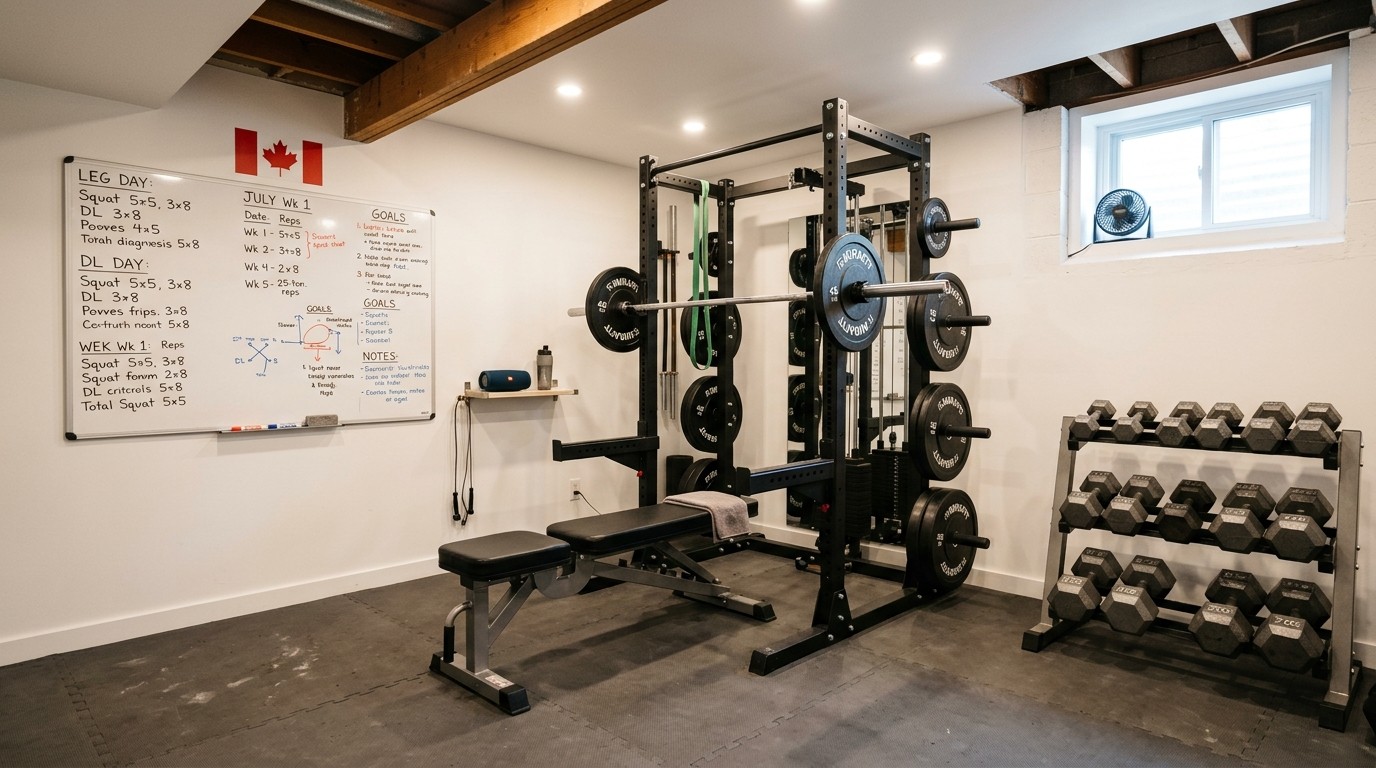
Understanding home gym costs in Canada helps you plan a realistic budget and avoid financial surprises. Whether you are building a modest setup in a spare bedroom or transforming a finished basement into a complete fitness facility, your total investment depends on equipment choices, space renovations, and location. We will break down the real costs you can expect across different budget tiers, hidden expenses most people overlook, and how strategic planning can save you thousands of dollars long term.
What Is the Real Cost of a Home Gym in Canada?
The cost of a home gym in Canada typically ranges from $2,000 to $100,000 or more, depending on your fitness goals and space ambitions. Most Canadian homeowners who build a functional, mid-range home gym invest between $10,000 and $30,000 when including both equipment and basic space preparation. However, the total cost breaks down into three distinct categories: equipment purchases, space renovation and construction, and the often-forgotten hidden costs that creep into most projects.
A minimal setup with only equipment (no construction work) might cost $2,000 to $5,000. A comprehensive renovation that includes electrical upgrades, flooring, climate control, and professional installation typically ranges from $10,000 to $30,000. A premium build with high-end equipment, full basement conversion, and advanced systems can easily exceed $50,000 to $100,000.
The key question is not "how much should I spend?" but rather "what am I trying to achieve, and what does that actually cost?" This clarity helps you allocate your budget where it matters most.
Budget Breakdown by Tier: Starter, Mid-Range, and Premium
Starter Home Gym ($2,000 to $5,000)
A starter home gym covers the essentials for strength training and basic cardio in your existing space. You do not need structural changes, electrical work, or flooring upgrades. This tier is ideal if you have a spare bedroom, garage corner, or small studio space ready to use.
Equipment Costs:
Adjustable dumbbells or dumbbell set: $300 to $600
Flat or adjustable weight bench: $200 to $400
Resistance bands and pull-up bar: $50 to $150
Yoga mat and basic accessories: $50 to $100
Minimal flooring (low-density foam tiles): $100 to $300
Construction and Setup:
Minimal to none. You may add basic wall-mounted shelving ($100 to $200) or a mirror ($50 to $150).
Total Investment: $2,000 to $5,000 for a functional, equipment-focused setup.
Mid-Range Home Gym ($10,000 to $30,000)
A mid-range home gym includes strength and cardio equipment, basic flooring, electrical upgrades, and some climate control. This tier suits a finished basement, garage conversion, or dedicated room renovation. Most serious home gym builders invest at this level.
Equipment Costs:
Power rack or squat stand: $350 to $1,200
Olympic barbell with weight plates: $400 to $800
Full dumbbell set (adjustable or fixed): $300 to $800
Weight bench: $200 to $600
Cardio equipment (treadmill, bike, or rower): $800 to $3,000
Cable machine or leg press (optional): $1,500 to $4,000
Construction and Renovation Costs:
Professional gym flooring (rubber tiles or rolls): typically ranges from $2 to $5 per square foot (Canada Plastics, 2025). For a 400 sq ft space, expect $800 to $2,000 plus installation.
Electrical upgrades (additional circuits, lighting): $1,000 to $3,000
Basic climate control (portable dehumidifier): $300 to $800
Framing, drywall, or minor repairs: $1,000 to $2,500
Permits (varies by province and city): $200 to $1,000
Total Investment: $10,000 to $30,000 for a complete, professional-feeling home gym.
Premium Home Gym ($30,000 to $100,000+)
A premium home gym includes high-end equipment, full basement or garage transformation, advanced climate control, soundproofing, and professional design. This tier appeals to serious athletes, fitness professionals, and those who want a gym-quality experience at home.
Equipment Costs:
Premium cable machine or multi-station gym: $3,000 to $10,000
Multiple cardio machines: $2,000 to $5,000 each
Specialized equipment (leg press, Smith machine): $2,000 to $8,000 each
Premium barbell and weight plate sets: $1,000 to $3,000
Adjustable dumbbells or functional trainer: $2,000 to $6,000
Construction and Renovation Costs:
Full basement conversion with electrical, plumbing, HVAC: $15,000 to $40,000
Professional-grade flooring: $3,000 to $8,000
Climate control system (HRV or mini-split): $2,500 to $4,000
Sound insulation and acoustic treatment: $1,000 to $3,000
Lighting design and installation: $1,500 to $3,000
Architectural or design consultation: $1,000 to $3,000
Permits and inspections: $500 to $2,000
Total Investment: $30,000 to $100,000 or more for a fully customized, high-performance home gym.
Cost Breakdown Table by Budget Tier
Category | Starter ($2K-$5K) | Mid-Range ($10K-$30K) | Premium ($30K-$100K+) |
|---|---|---|---|
Equipment | $1,500-$2,500 | $5,000-$12,000 | $15,000-$45,000 |
Flooring | $100-$300 | $800-$2,000 | $3,000-$8,000 |
Electrical | None-$200 | $1,000-$3,000 | $2,000-$4,000 |
Climate Control | None | $300-$800 | $2,500-$4,000 |
Permits | None | $200-$1,000 | $500-$2,000 |
Construction | Minimal | $1,000-$3,000 | $10,000-$40,000 |
Installation/Setup | DIY | $1,000-$3,000 | $2,000-$5,000 |
Total Range | $2,000-$5,000 | $10,000-$30,000 | $30,000-$100,000+ |
Breaking Down the Hidden Costs You Cannot Ignore
Flooring and Subfloor Preparation
Many people underestimate flooring costs because they forget about subfloor preparation. A simple rubber tile floor might seem affordable at $2 to $5 per square foot, but if your basement has concrete moisture issues or uneven surfaces, you may need to install a vapour barrier, sand, or level the subfloor first. Budget an additional $500 to $2,000 for subfloor work.
Professional installation of gym flooring adds another $1 to $2 per square foot on top of material costs (Canada Plastics, 2025). Read our home gym flooring guide for a detailed comparison of materials and costs.
Electrical Upgrades and Dedicated Circuits
Standard outlets may not handle multiple pieces of equipment simultaneously. Many home gyms need dedicated 20-amp circuits for treadmills, air conditioning units, and lighting. A professional electrician will charge $50 to $150 per hour, and most projects require $1,000 to $3,000 in electrical work.
If your gym is in a basement that requires a subpanel installation, budget another $1,500 to $3,000. Do not skip this. Inadequate electrical capacity is a safety hazard and a code violation in most Canadian jurisdictions.
Climate Control and Humidity Management
A basement or enclosed garage collects moisture from sweat, humidity, and poor air circulation. A heat recovery ventilation (HRV) system costs $2,000 to $4,000 installed and helps prevent mold and keeps the air fresh (HomeStars, 2025). A portable dehumidifier ($300 to $800) is cheaper but requires ongoing maintenance and energy costs.
Building Permits by Province
Permit requirements vary dramatically across Canada. In Toronto, a permit for interior renovations costs $4.93 per square metre (City of Toronto, 2026). For a 500 sq ft basement gym (46 sq m), that is approximately $227. Always check with your local municipal building department before starting.
Delivery and Assembly
Heavy equipment like weight racks, cable machines, and cardio machines often cost $150 to $500 to deliver across Canada due to the country's geography. Professional assembly services for complex equipment run $75 to $300 per item.
Sound Insulation and Acoustic Treatment
If your gym is close to bedrooms, offices, or shared walls, sound insulation matters. Basic acoustic panels cost $500 to $1,500. Full wall treatment with resilient channels and sound-dampening insulation runs $2,000 to $5,000 for a mid-sized room.
How Space Type Affects Your Costs
Garage Conversion
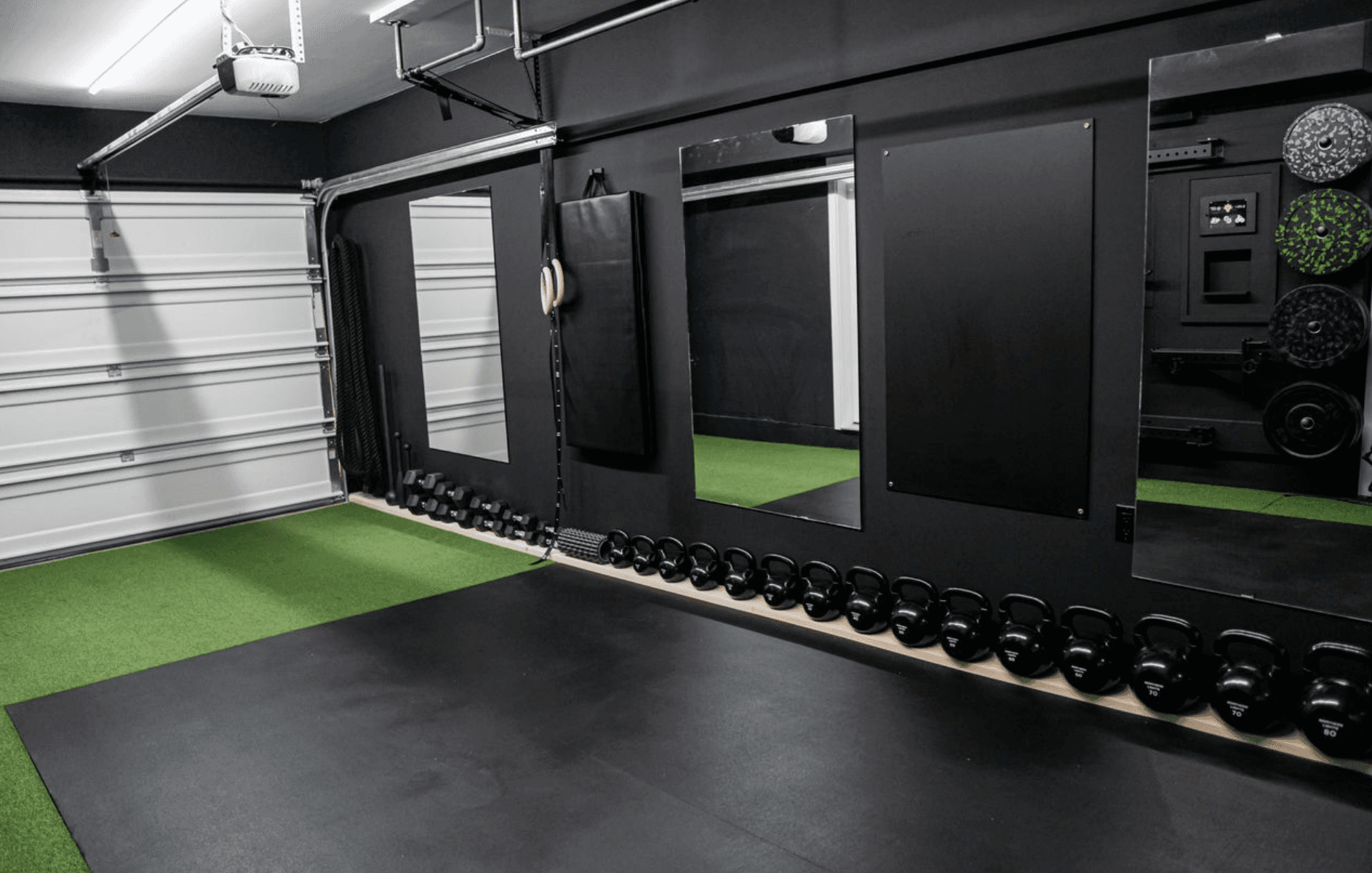
A garage gym typically requires flooring, electrical upgrades, lighting, and possibly insulation or heating. Expect $3,000 to $10,000 in space preparation before adding equipment. Garage conversions are faster than basement builds but may require weatherproofing and temperature control to handle Canadian winters.
Basement Renovation
Basements offer year-round temperature stability but require moisture control, lighting upgrades, and electrical work. A finished basement gym typically costs $7,000 to $25,000 in construction, plus equipment. See our guide on basement gym ideas for detailed planning steps specific to Canadian climates.
Bedroom or Studio Space
If you already have a finished room, costs drop significantly. You mainly need flooring ($500 to $1,500) and equipment ($2,000 to $10,000). No permits or major construction required.
How a Design-First Approach Saves Money Long Term
Many homeowners buy equipment first, then figure out space. This backwards approach wastes money. Instead, work with a designer or gym builder to plan your layout, electrical needs, and climate strategy upfront.
A professional design identifies problems early (inadequate outlets, moisture issues, poor lighting) and prevents expensive rework. See our article on home gym design ideas for a complete walkthrough of the planning process.
A well-designed gym also maximizes your space efficiency. A 300 sq ft room designed poorly may feel cramped with only 50 percent equipment utilization. The same space designed properly fits double the functionality.
Strategic phasing also saves money. You can build a foundation (flooring, electrical, framing) at the start, then add equipment and climate control in stages as your budget allows.
Comparing DIY vs Professional Build
A DIY approach saves 30 to 50 percent on labour but requires time, skill, and risk tolerance. Most people successfully handle equipment assembly, painting, and basic finishing work themselves.
Electrical, plumbing, structural framing, and climate control should go to licensed professionals. Read our full guide on DIY vs professional home gym build to decide which tasks suit your skill level and timeline.
Frequently Asked Questions
How much does a minimal home gym cost?
A functional minimal gym with dumbbells, a bench, and basic flooring runs $2,000 to $3,000. Add a power rack and barbell, and you reach $4,000 to $5,000. This covers a serious strength-training setup with no cardio or cable machines.
What if I only have a small budget?
Start with resistance bands ($50 to $150), adjustable dumbbells ($300 to $600), a bench ($200 to $400), and basic flooring ($200 to $500). You now have a $1,000 to $1,500 setup that handles most strength training. Add equipment as your budget grows.
Should I buy equipment new or used?
New equipment includes warranties and guarantees but costs more. Used equipment (especially dumbbells and weight plates) saves 30 to 50 percent. A middle ground: buy dumbbells and plates used, but purchase machines and benches new.
Why is flooring so important?
Proper gym flooring protects your subfloor from moisture, impact damage, and staining. Cheap flooring fails within 2 to 3 years and creates warranty issues. Quality rubber flooring lasts 10+ years and prevents expensive subfloor repairs later.
How can I save money on a home gym?
Phase your project across multiple years, buy equipment during sales (January and September), get multiple contractor quotes, use existing rooms rather than converting spaces, and avoid over-specifying features you will not use.
Do I need permits?
Yes, in most cases. Electrical work, structural changes, and finished basements typically require permits in Canadian cities. Permit costs are small ($200 to $1,000) compared to the cost of code violations or insurance denials. Always check your municipality first.
Key Takeaways
A realistic home gym budget in Canada ranges from $2,000 to $100,000+. Most serious home gym builders invest $10,000 to $30,000 when including both equipment and space preparation.
Hidden costs often add 20 to 40 percent to your total. Permits, subfloor work, electrical upgrades, humidity control, delivery, and assembly all need to be in your initial estimate.
Professional flooring, electrical, and climate control save money long term by preventing moisture damage, safety issues, and equipment failure.
Canadian-specific factors significantly affect your costs. Shipping, regional labour rates, provincial codes, and seasonal pricing all play a role. Plan your timeline and consult local contractors.
Design before you buy. A professional layout plan prevents mistakes, maximizes space efficiency, and enables smart phasing of work. See our full guide on home gym design ideas for where to start.