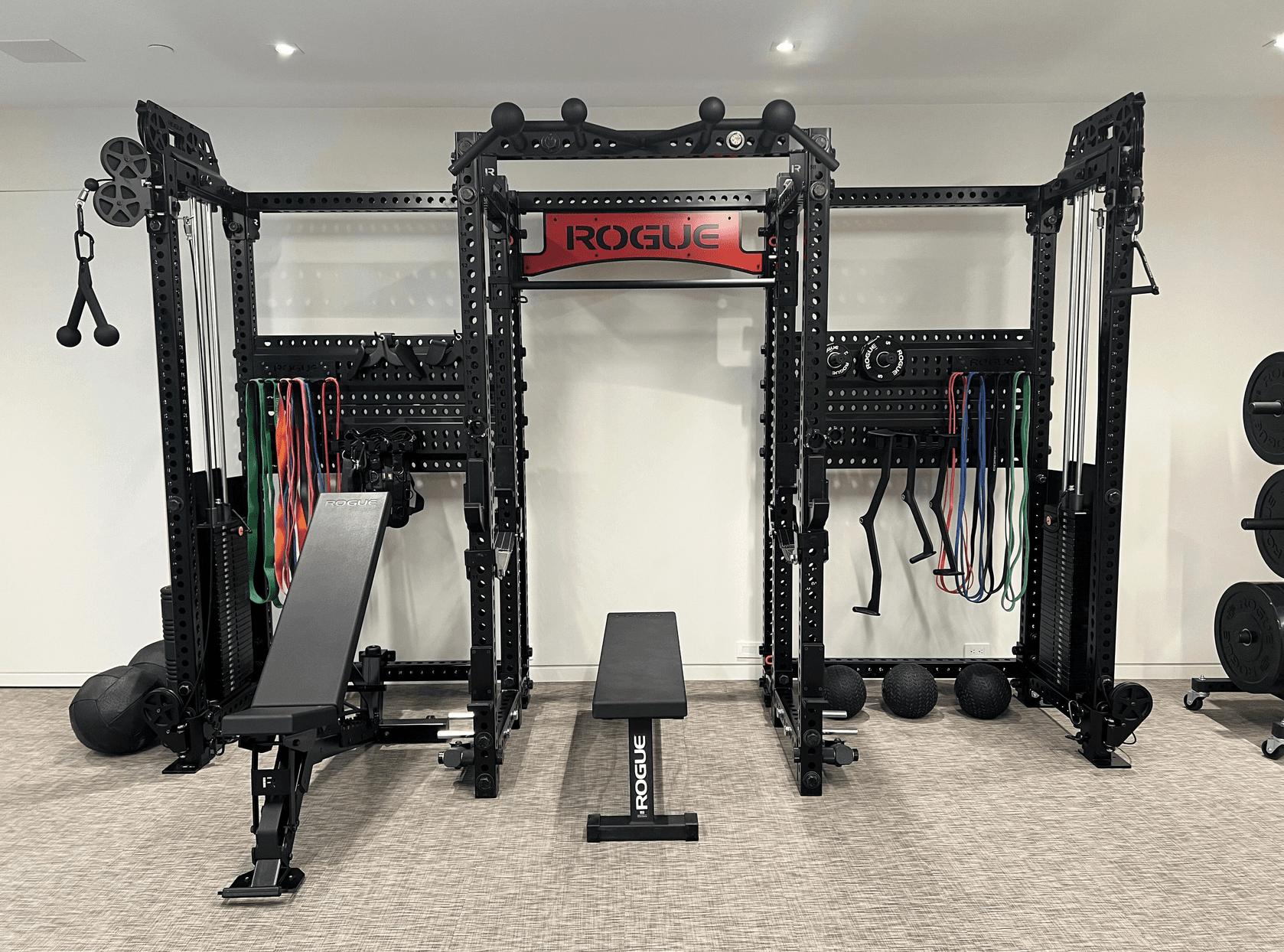
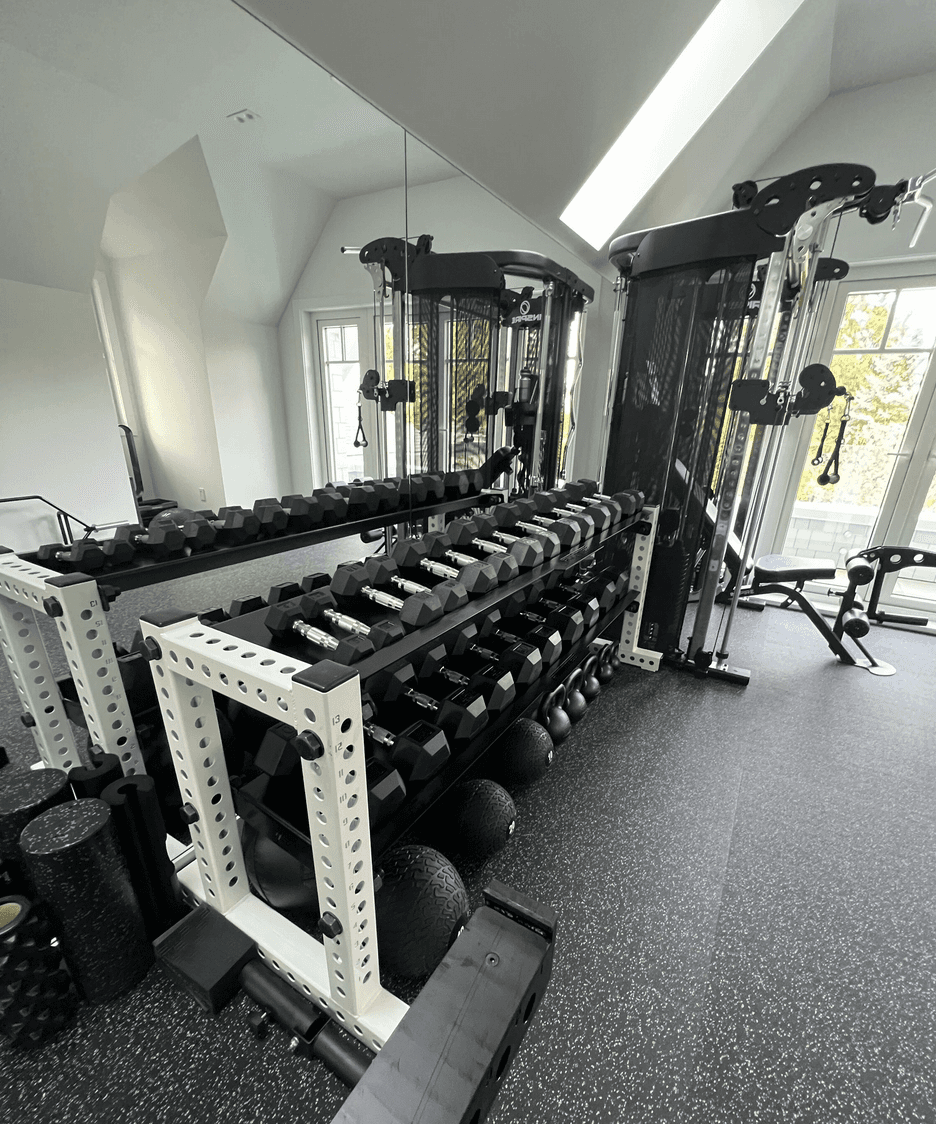
Client Guides
Home Gym Design Ideas: 10 Ways to Build a Training Space You Will Actually Use
From recovery zones to smart lighting, here are 10 design-first ideas for building a home gym that works as hard as you do.
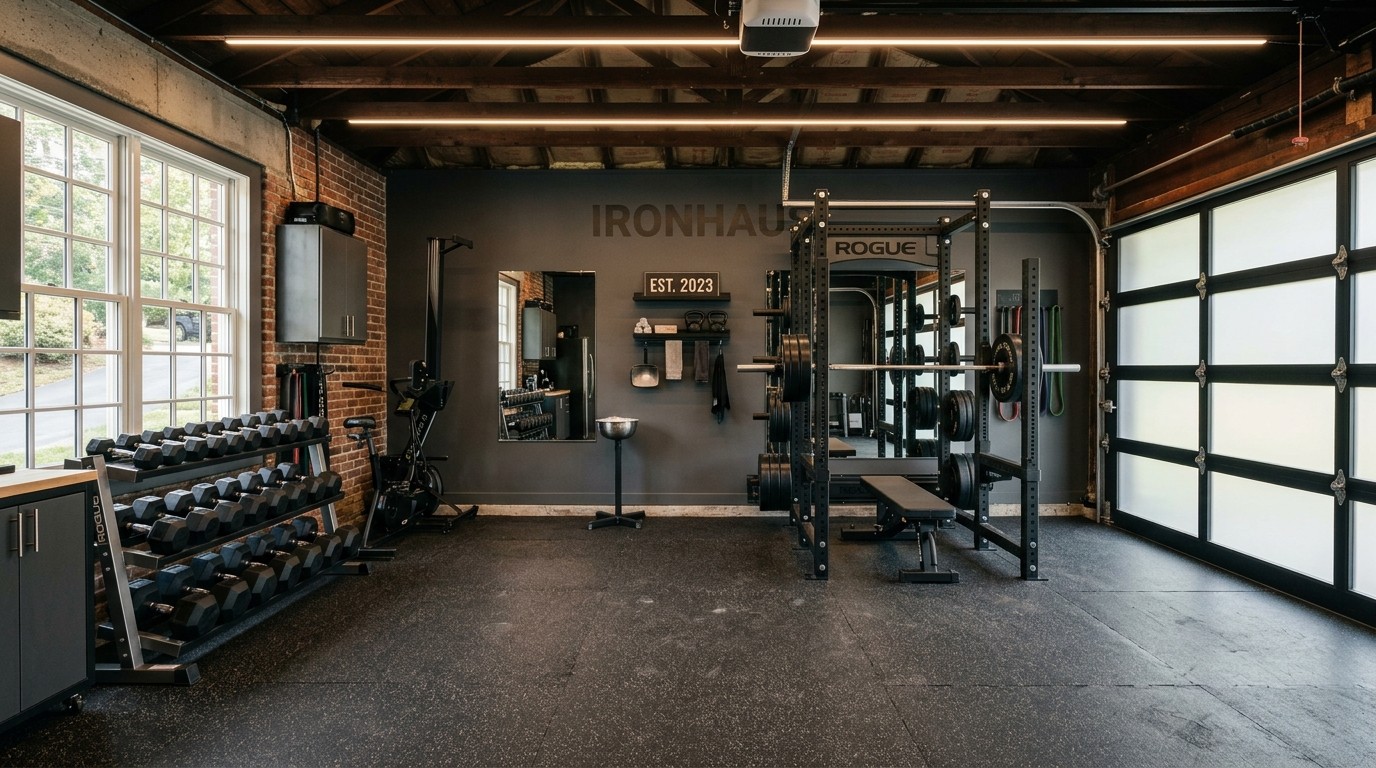
If you are searching for home gym design ideas, you are already ahead of most people. The home fitness equipment market hit USD 13.52 billion in 2025 and is still climbing (Fortune Business Insights, 2025). But here is the thing most home gym builders get wrong: they buy equipment first and think about design later.
That is how you end up with a treadmill collecting dust in the corner of your garage.
The difference between a gym you use every day and one you forget about comes down to design. Not equipment. Not square footage. Design. In this guide, we break down 10 home gym design ideas that focus on creating a space that actually works for how you train, how you recover, and how you live.
1. Start With Zones, Not Equipment
The biggest mistake people make when building a home gym is starting with a shopping list. Before you buy a single piece of equipment, think about how you want to use the space.
Every well-designed home gym has three core zones:
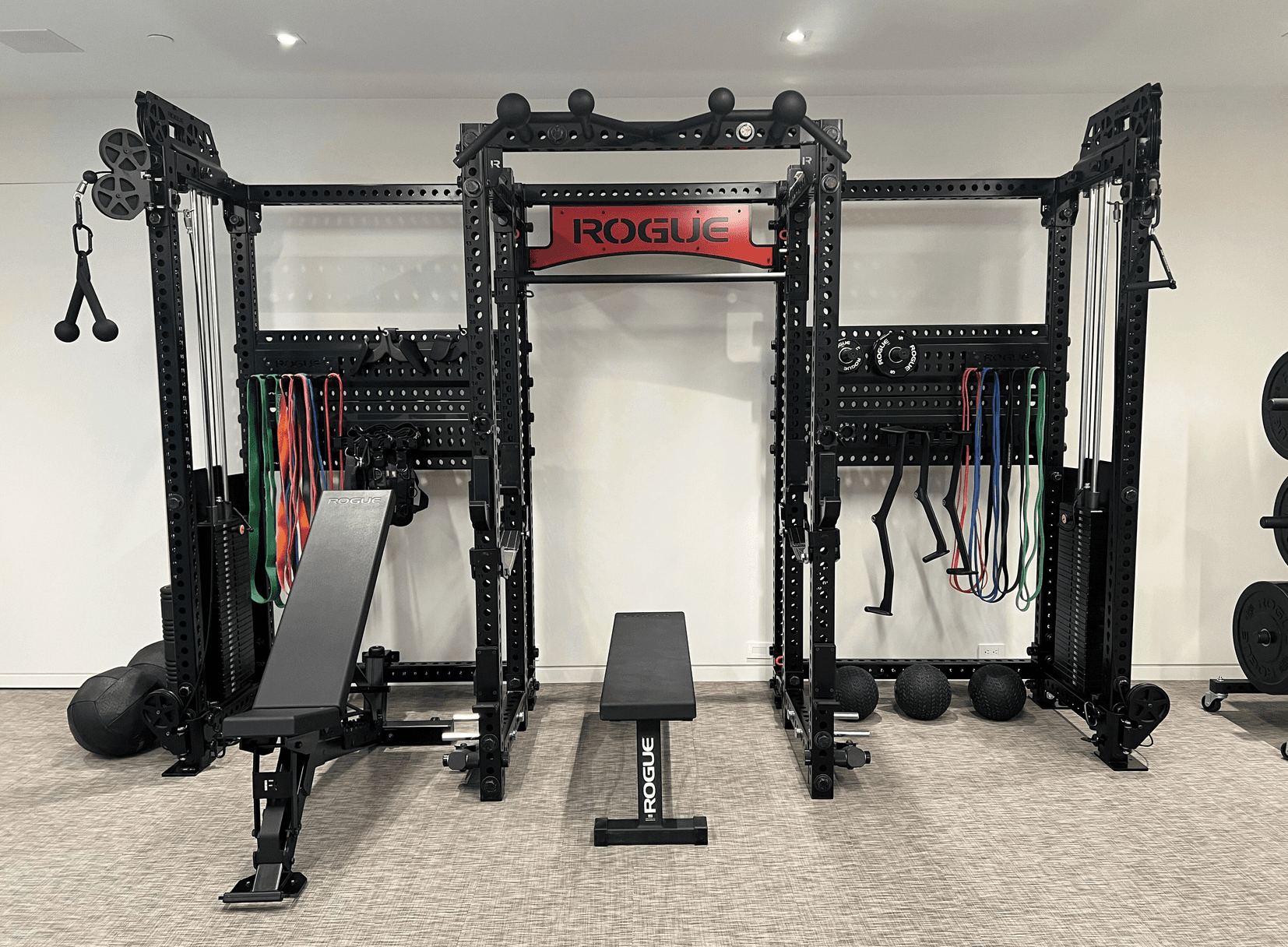
Strength zone for squat racks, benches, dumbbells, and plate storage
Cardio and functional zone for bikes, rowers, kettlebells, and open floor work
Recovery zone for stretching mats, foam rollers, and mobility tools
How you divide these zones depends entirely on the room you are working with. A spare bedroom might combine cardio and recovery into one flexible area. A full basement gives you the luxury of spreading out and giving each zone its own dedicated footprint.
The key is mapping out zones before you start spending money. It keeps you focused and prevents that cluttered, random-equipment-everywhere look that kills motivation.
2. Design a Recovery Zone (The Biggest Trend of 2026)
Recovery zones are the single biggest home gym design trend for 2026. Fitness experts are now saying that dedicated recovery spaces will reshape how people think about home fitness (Yahoo Lifestyle, 2026).
This is not just a yoga mat in the corner. A proper recovery zone can include foam rollers, percussive massage tools, stretching mats, breathwork areas, cold plunges, and even infrared saunas.
Why does this matter beyond the workout? Properties with dedicated gym and recovery suites have seen a 5 to 12 percent increase in resale value (Iron House, 2026). So you are not just investing in your health. You are investing in your home.
The beauty of a recovery zone is that it does not need much space. A 6-by-8-foot area in the corner of your gym is enough to make a real difference in how you feel after every session.
3. Choose Your Flooring Based on How You Train
Your flooring is one of the most important decisions you will make, and the right choice depends entirely on what kind of training you do. For a deeper dive into materials, costs, and Canadian moisture considerations, read our full home gym flooring guide.
Here is a quick breakdown:
Flooring Type | Best For | Durability | Cost | Notes |
|---|---|---|---|---|
Rubber tiles | Heavy lifting, Olympic lifts | Lasts decades | $$$ | Best all-around option for serious training |
Foam tiles | Bodyweight, yoga, light weights | 2-5 years | $ | Affordable but compresses under heavy loads |
Vinyl plank | Mixed use, home office combos | 10-15 years | $$ | Looks clean, easy to maintain |
Artificial turf | Sled pushes, functional training | 5-10 years | $$ | Great for athletes who train sport-specific movements |
Rubber flooring can last for decades under heavy gym equipment, while foam compresses faster but costs significantly less upfront (FlooringInc, 2025).
Canadian-specific note: If you are building in a basement, pay attention to moisture. Basements in many parts of Canada deal with seasonal humidity, so you may need a vapour barrier or subfloor system underneath your gym flooring to prevent mould and warping.
4. Use Lighting to Boost Your Energy and Focus
Lighting is one of those details that most people overlook, but it has a massive impact on how a gym feels and how hard you train.
Natural light is ideal when you can get it. Exposure to natural light increases serotonin production, which directly boosts mood and motivation during training. If your gym space has windows, use them.
For artificial lighting, aim for a colour temperature between 4,000 and 6,000 Kelvin with 300 to 500 lumens per square metre (Vorlane, 2026). This range keeps you alert and focused without feeling like you are training under fluorescent office lights.
A layered approach works best:
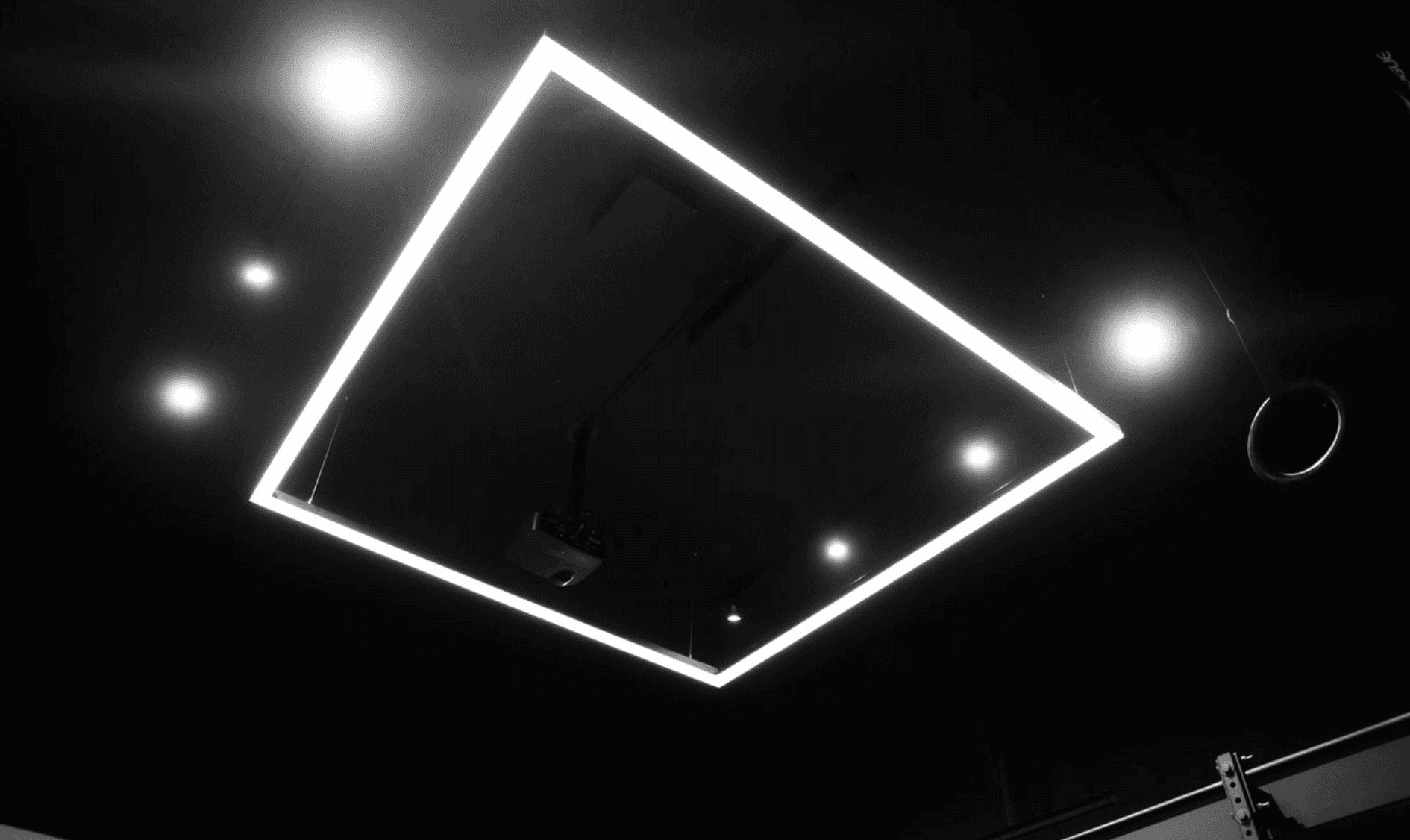
Overhead LEDs for general brightness during strength and cardio work
Task lighting near mirrors and specific stations
Warm ambient lighting that you can switch to during cooldowns, stretching, and recovery
Being able to shift the mood of your gym from "go time" to "wind down" with your lighting setup is a design move most people never think about.
5. Make Mirrors Work Harder Than You Do
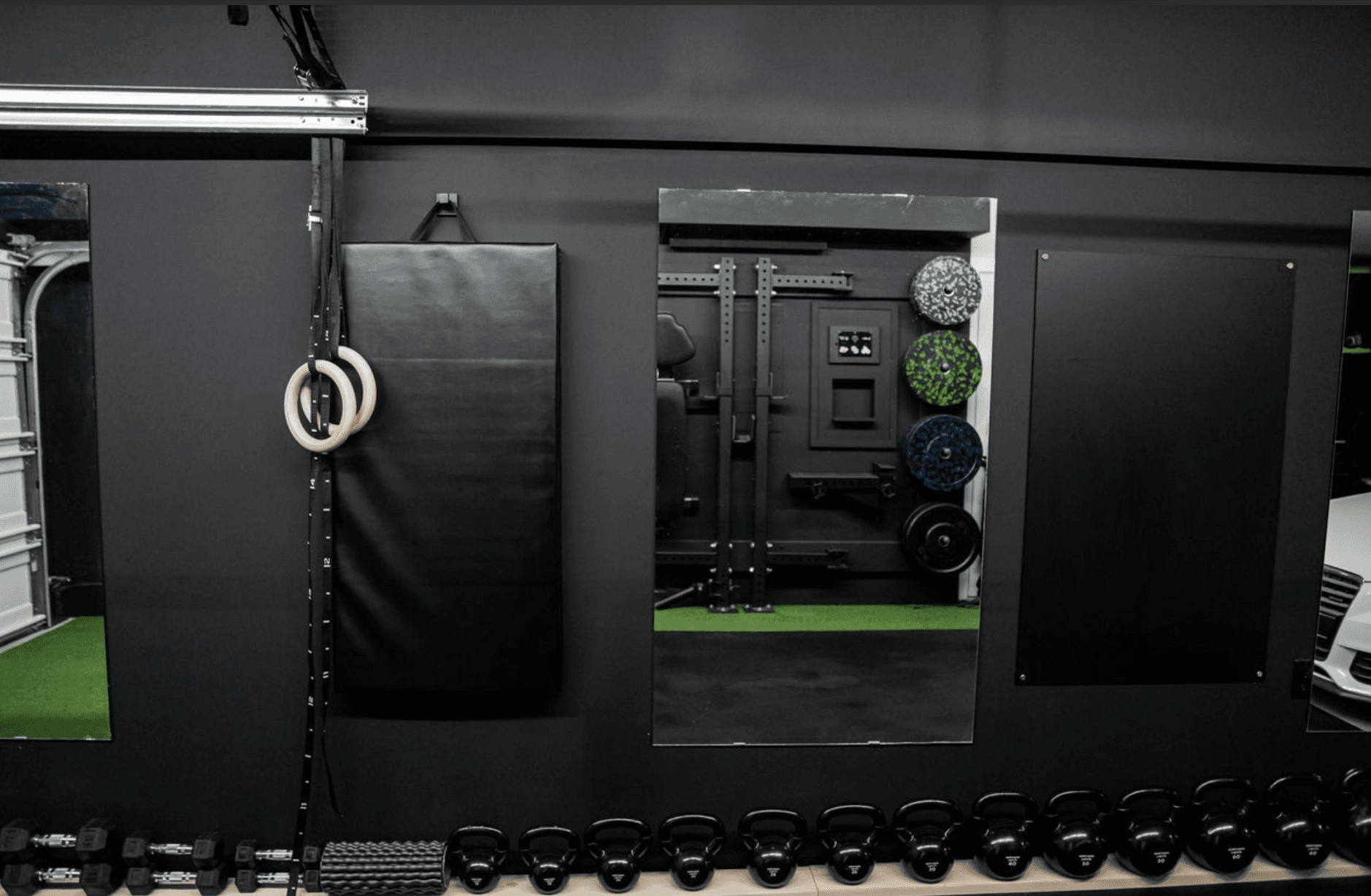
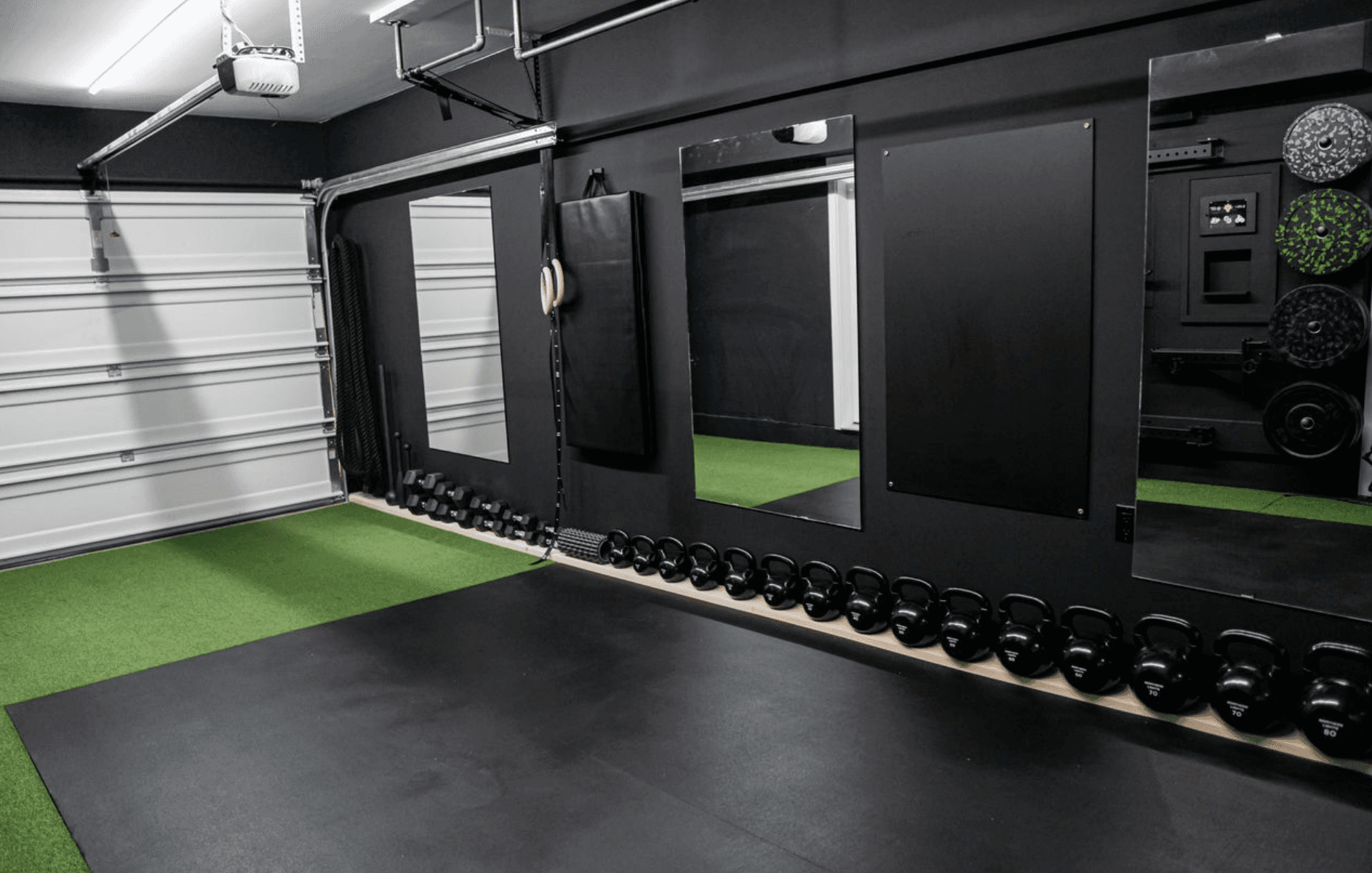
Mirrors are not just for checking yourself out. They serve three important functions in a home gym: form checking for safety, making a small space feel twice its size, and bouncing light around the room.
Placement matters more than size. The most useful spot for a mirror is a full wall behind your main lifting area. This lets you check squat depth, deadlift form, and overhead press alignment from the front.
Avoid placing large mirrors directly in front of cardio equipment like bikes or treadmills. For some people, staring at themselves during long cardio sessions is more distracting than motivating.
6. Build Storage Into the Design From Day One
Storage is not an afterthought. It is a safety issue.
Dumbbells on the floor are a tripping hazard. Resistance bands draped over equipment get tangled and damaged. Barbells leaning against walls can fall and cause serious damage.
Smart storage solutions to design in from the start:
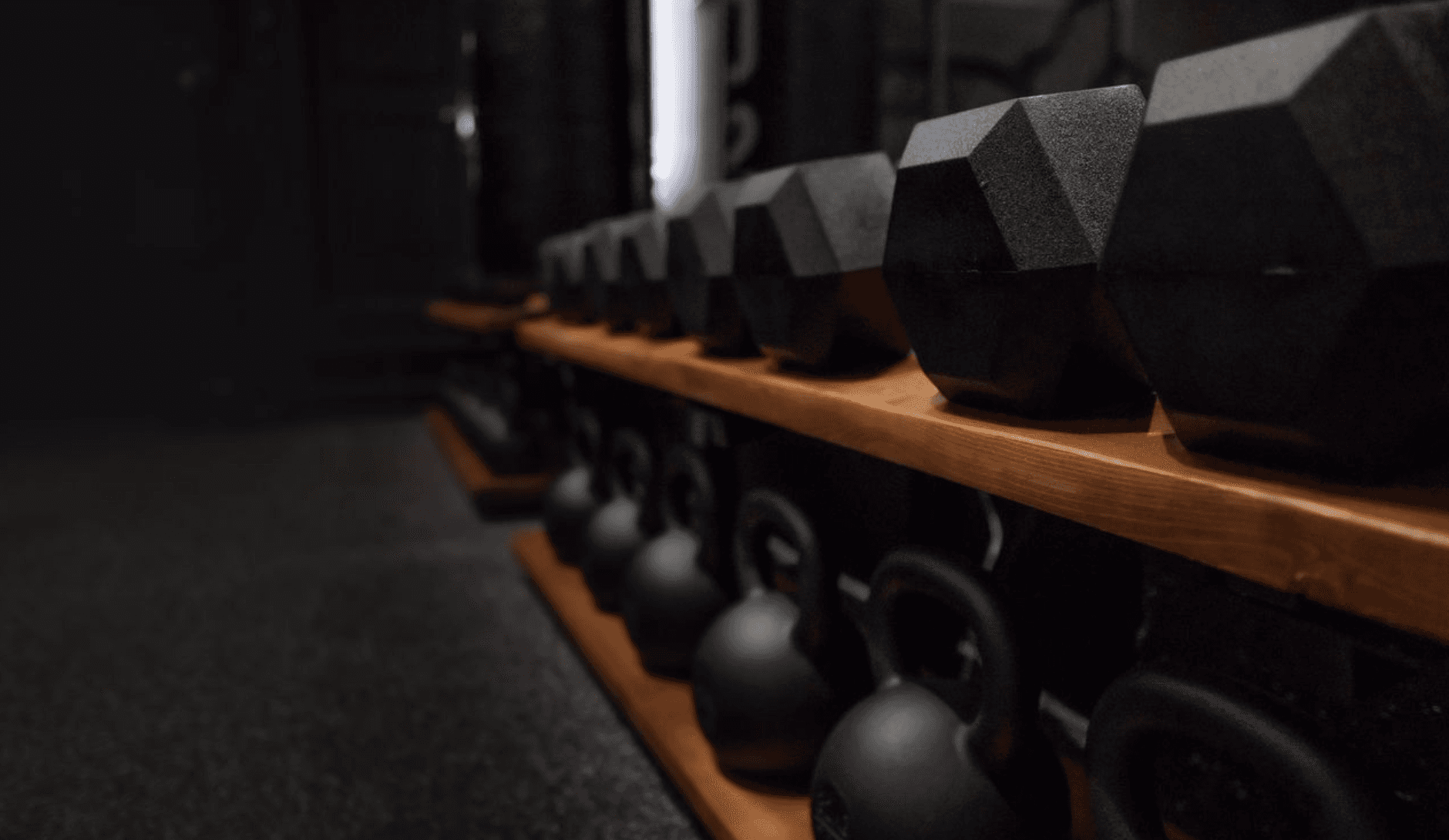
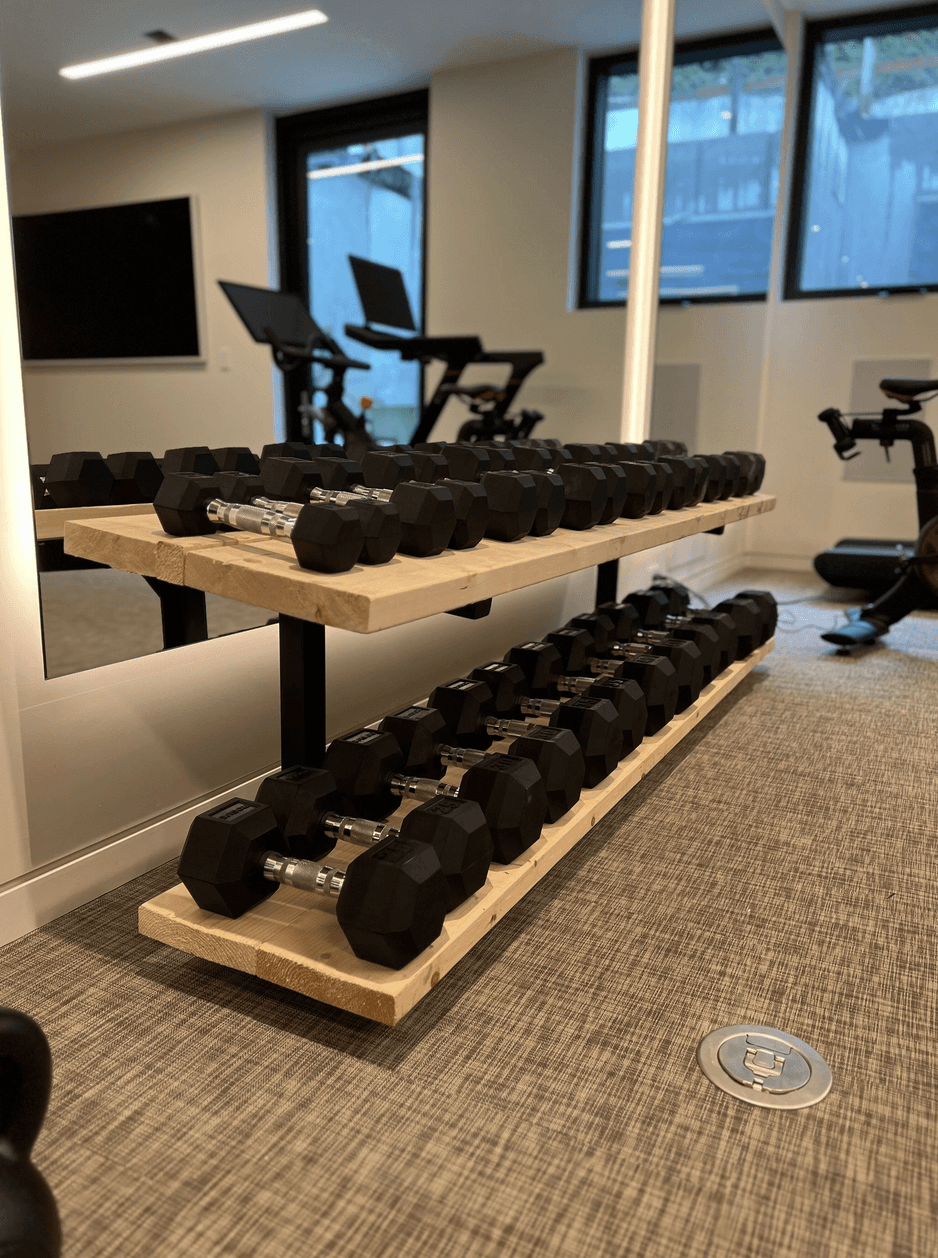
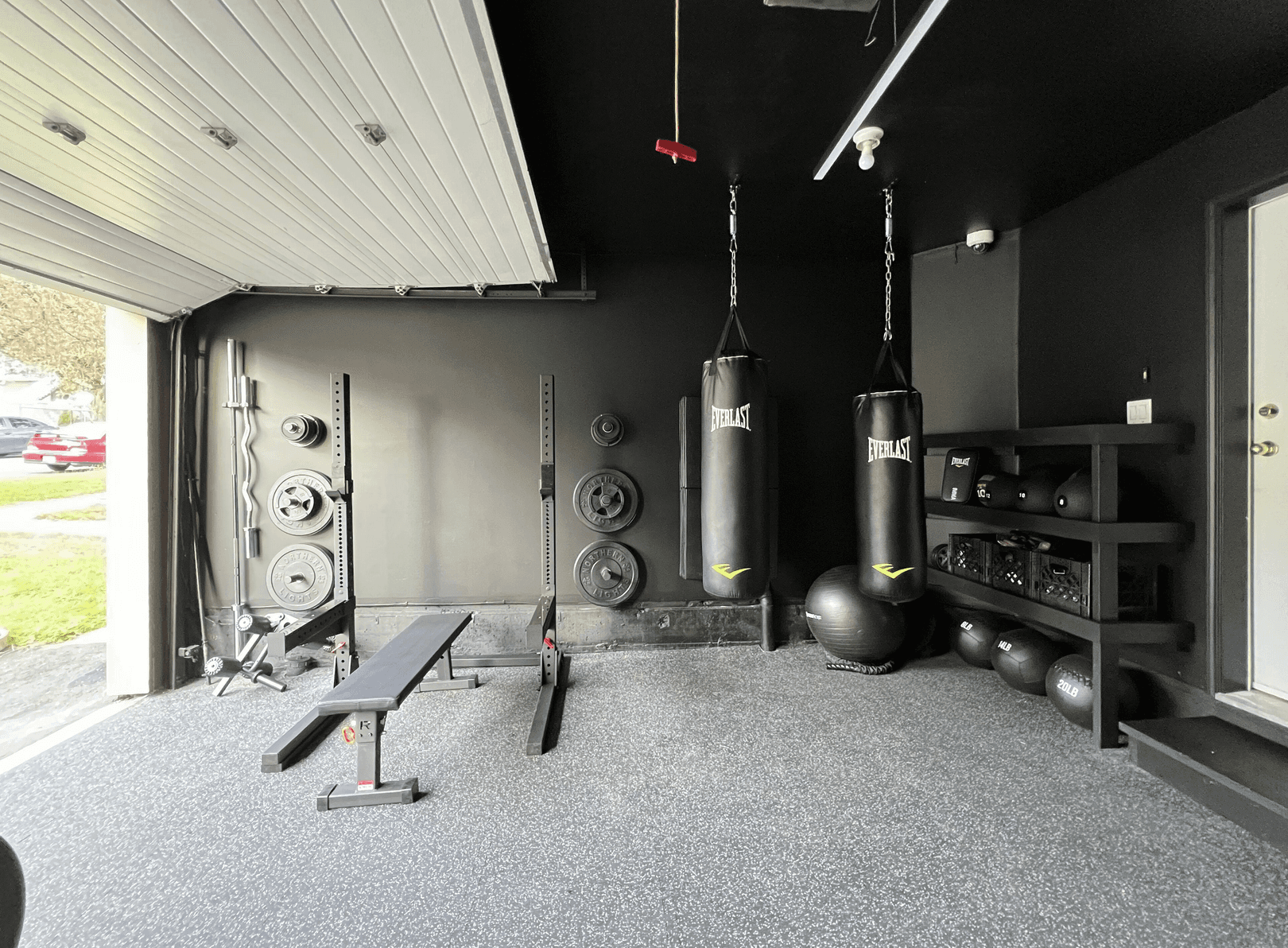
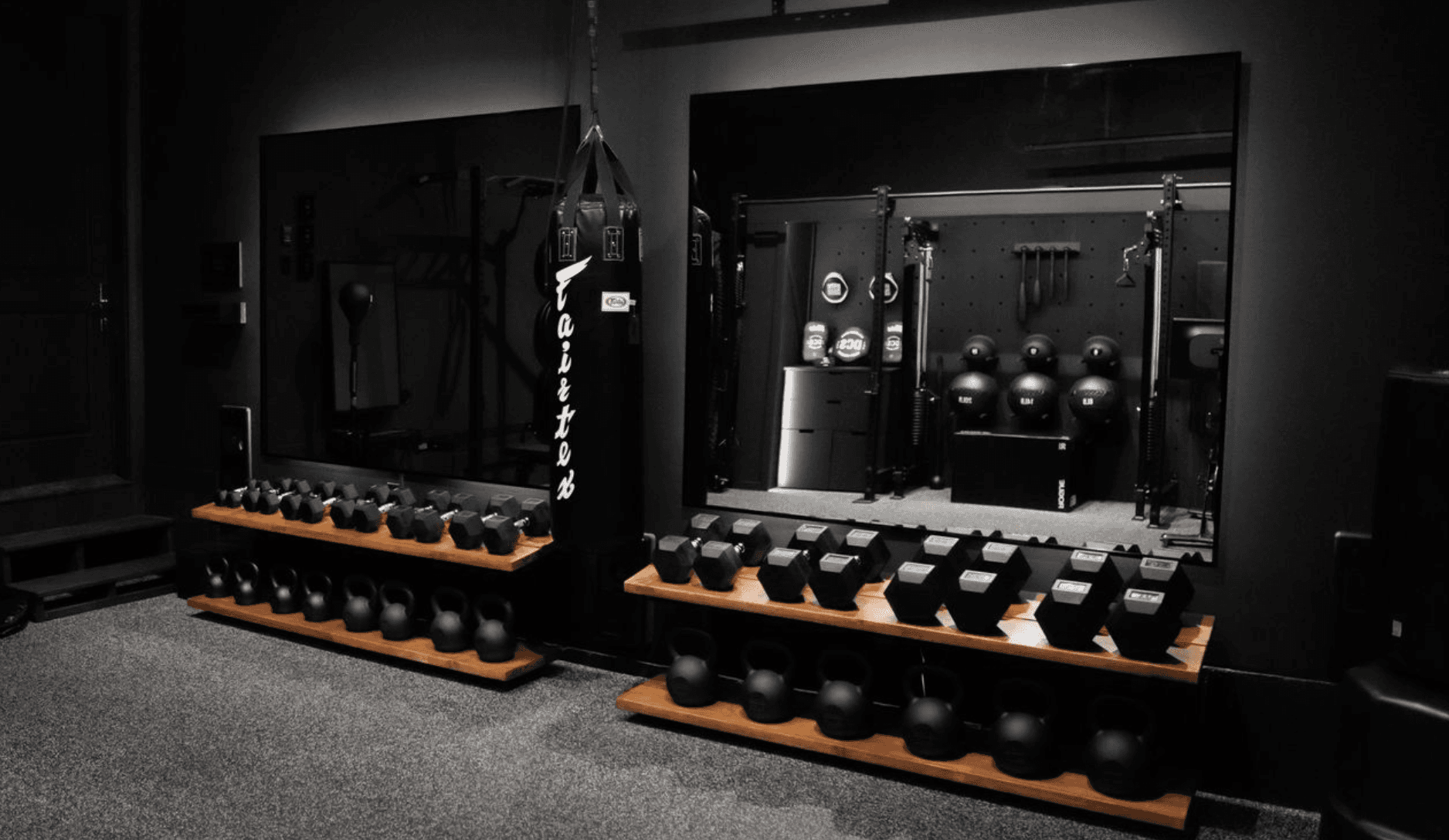
Open shelving units for dumbbells and kettlebells, arranged by weight
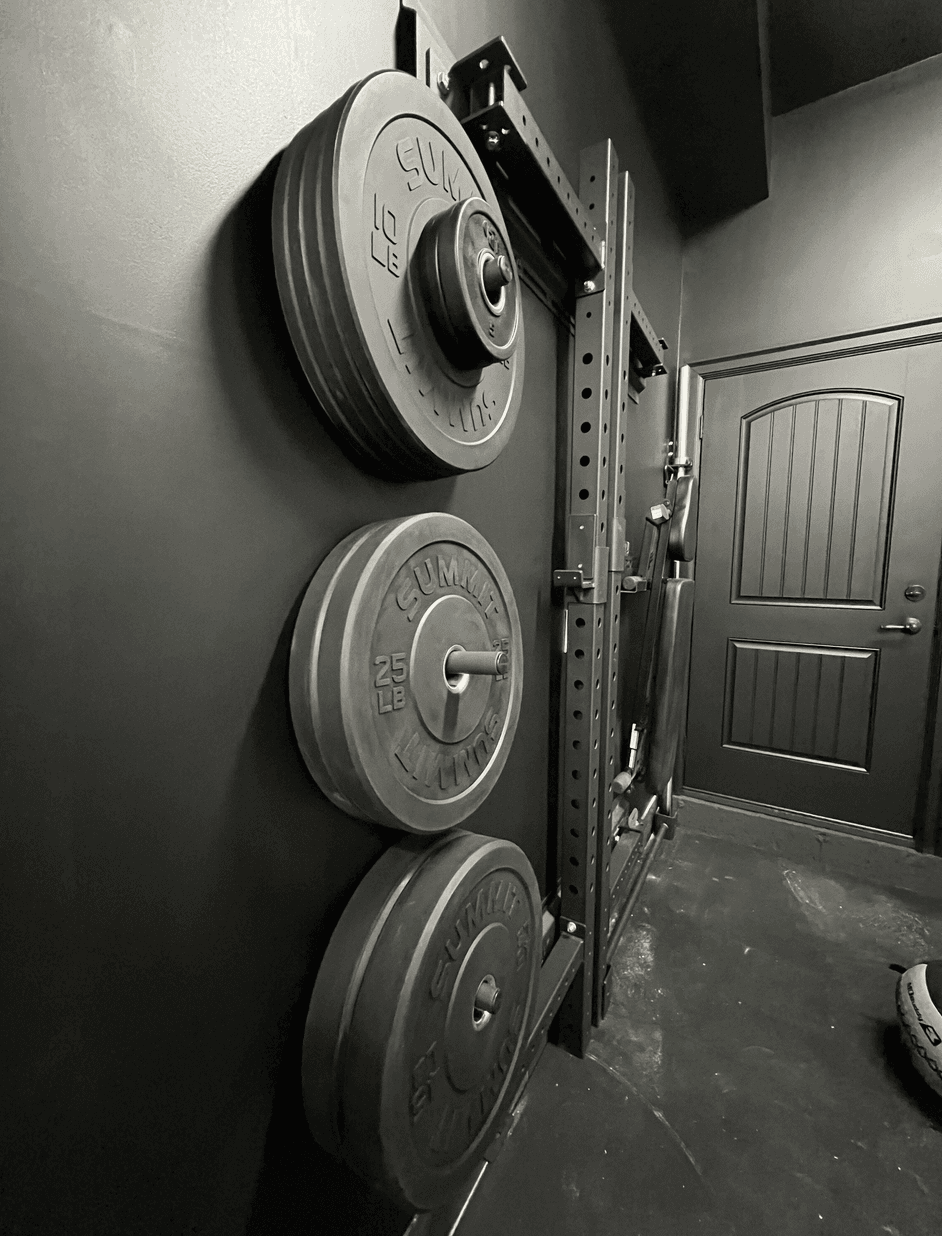
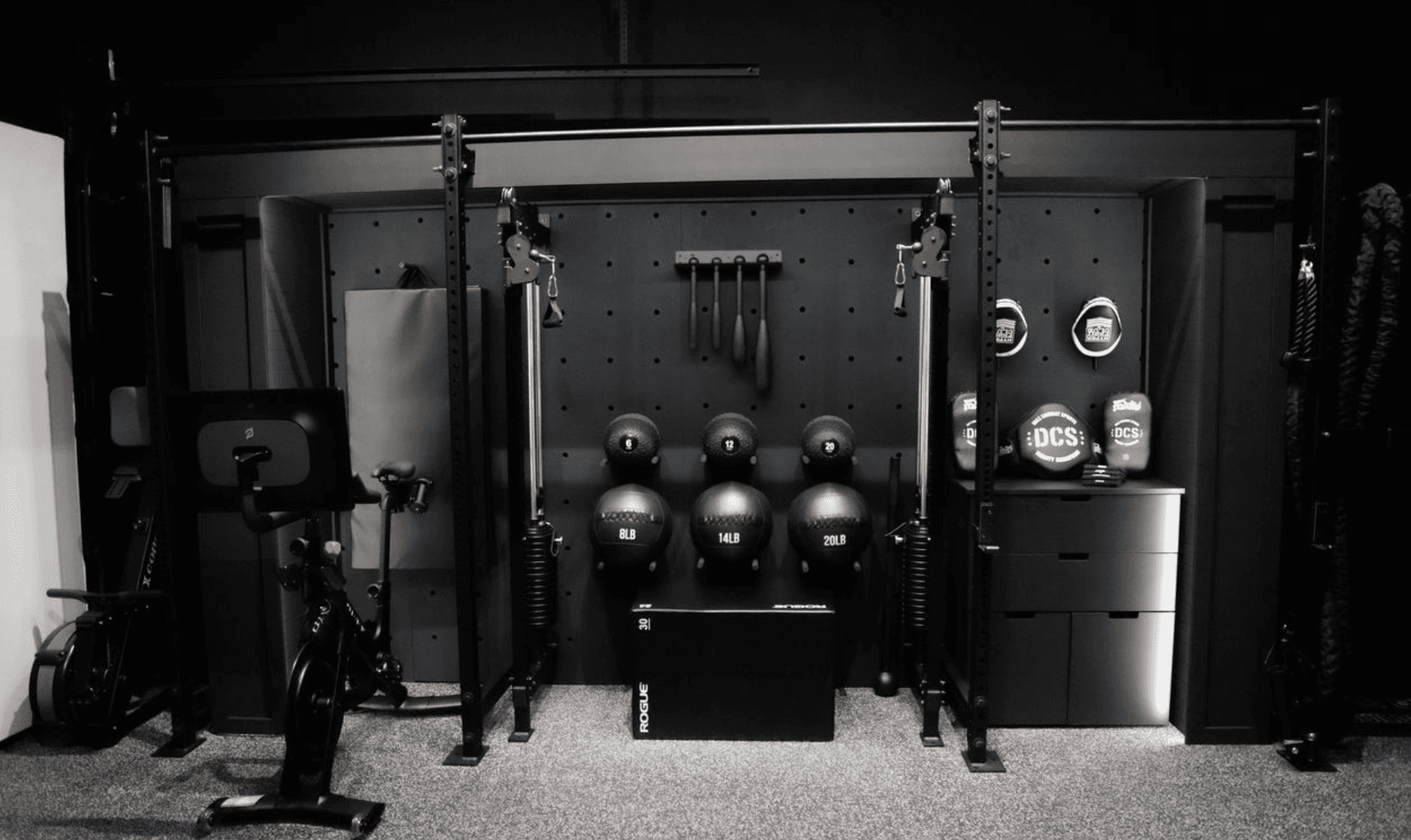
Wall-mounted barbell racks that keep bars off the floor and organized
Pegboard walls for bands, jump ropes, chalk bags, and accessories
In-built cubbies or cabinets for towels, water bottles, and supplements
The goal is that every single item in your gym has a home. When everything has a place, your gym stays clean, safe, and ready to use at a moment's notice.
7. Integrate Smart Tech Without Overcomplicating It
The smart home fitness equipment market is projected to reach USD 3.38 billion by 2030, growing at a 5.13 percent CAGR (Mordor Intelligence, 2025). There is no shortage of tech you can put in your gym. The challenge is keeping it simple.
Start with the essentials:
Sound system with Bluetooth connectivity
Screen or TV mount for following workout programs
Strong Wi-Fi signal reaching your gym space
Nice-to-haves for bigger budgets:
Adaptive lighting that shifts colour temperature based on time of day
Connected fitness equipment like smart rowers, bikes, or cable machines
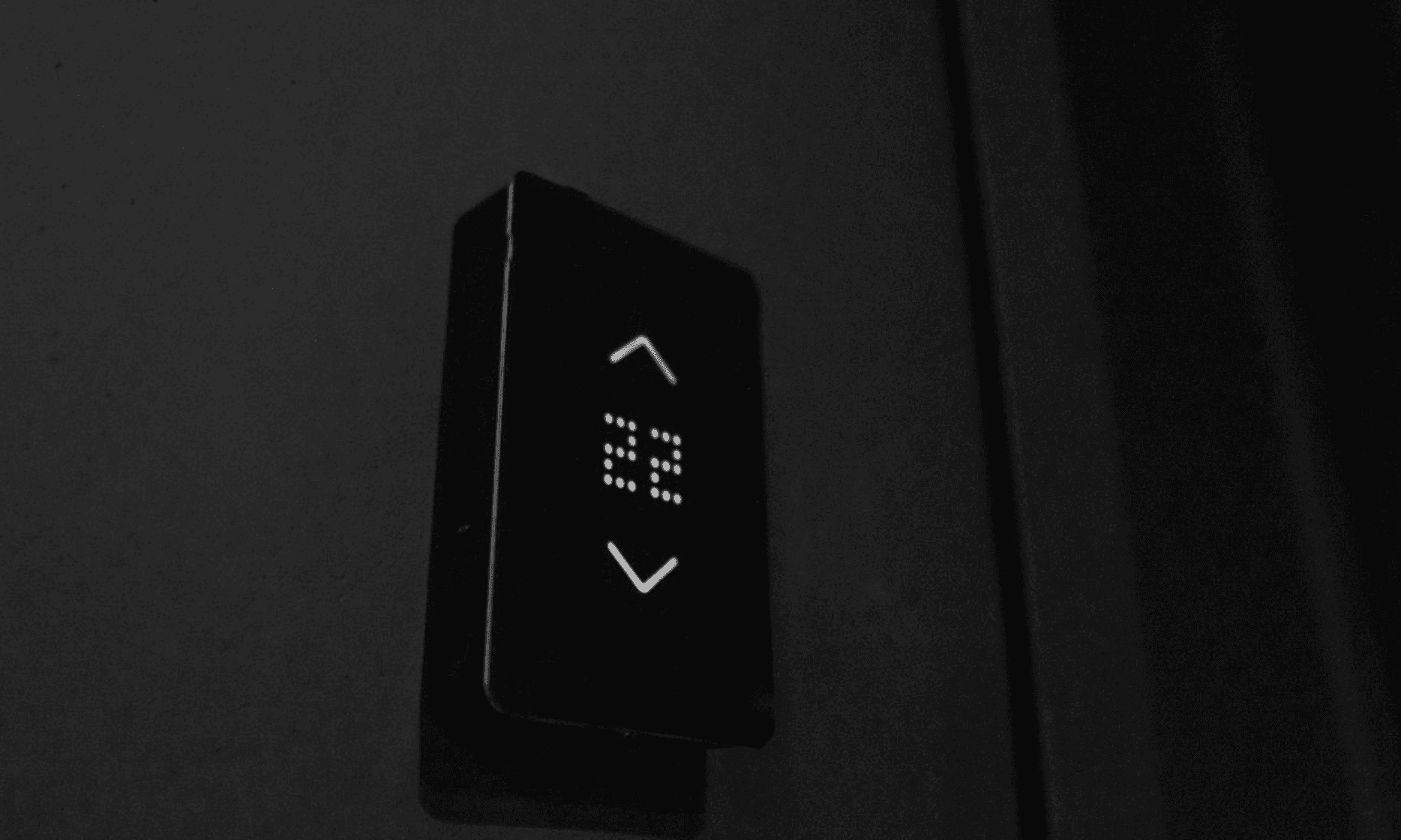
App-controlled climate for managing temperature and humidity remotely
8. Think About Ventilation and Climate Control
This is the most overlooked home gym design decision, especially in Canada.
If you are building in a basement, humidity is your biggest enemy. Excess moisture leads to mould, damaged equipment, and an uncomfortable training environment. A good dehumidifier is essential for most Canadian basement gyms.
If you are building in a garage, temperature swings are the issue. Canadian garages can drop well below freezing in winter and overheat in summer. Without proper insulation and climate control, your garage gym becomes unusable for several months of the year.
Key climate considerations:
Basements: Dehumidifier, proper ventilation, and vapour barriers under flooring
Garages: Insulation (walls and ceiling), a space heater or mini-split system, and weather sealing on doors
Any space: At least one fan for air circulation during intense sessions
Getting this right means your gym is usable 365 days a year. Getting it wrong means you built an expensive room you avoid half the time.
9. Do Not Forget the Aesthetic Details
A gym that looks good is a gym you want to spend time in. This is not about luxury for the sake of it. It is about creating an environment that pulls you in and keeps you consistent.
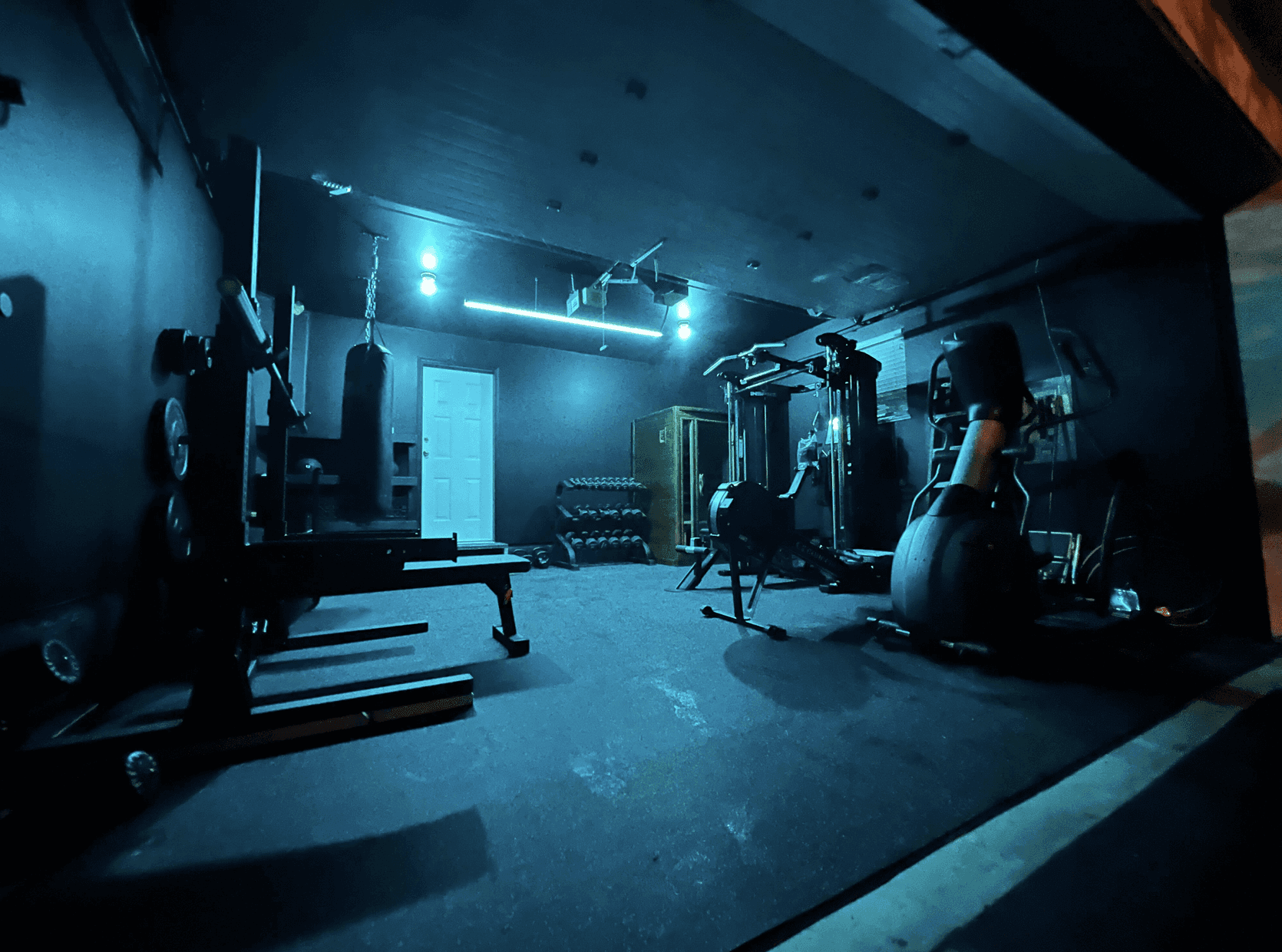
Colour plays a bigger role than you think. Darker tones like charcoal, navy, and matte black create a focused, distraction-free atmosphere. Brighter accents add personality and energy without overwhelming the space.
Other details that elevate the design:
Wall treatments like slat walls, textured panels, or painted accent walls
Personal touches such as motivational signage, team flags, or framed photos
Consistent materials throughout the space, like matching metal finishes on racks, shelves, and hooks
10. Know When to DIY and When to Call in a Pro
Some home gym builds are straightforward. If you are putting a rack, a bench, some dumbbells, and rubber mats in a spare room, you can probably handle that yourself.
But when the scope gets bigger, the design decisions get more complex. Electrical work for dedicated circuits, structural modifications for ceiling-mounted rigs, plumbing for cold plunges or saunas, and custom layouts that maximize every square foot of an awkward space are all situations where a professional design-build team makes a significant difference.
A professional approach typically includes:
Architectural-level renders so you can see the finished space before construction starts
Coordinated trades (electrical, framing, drywall, painting) managed under one team
Interior design-level sourcing for equipment, materials, and finishes
A clear timeline and process from first consultation to final walkthrough
The value is not just in the build quality. It is in having someone who understands both fitness and design bring your vision to life, so you get exactly what you imagined. If you are wondering what a project like this actually costs, check out our home gym cost breakdown for Canada.
Frequently Asked Questions
How much space do I need for a home gym?
A functional home gym can work in as little as 100 square feet (roughly 10 by 10 feet). That gives you room for a rack, bench, and some floor space. For a multi-zone gym with strength, cardio, and recovery areas, aim for 200 to 400 square feet or more.
What is the best flooring for a home gym?
Rubber tiles are the best all-around option for most home gyms. They handle heavy weights, last for decades, and are easy to clean. Read our full home gym flooring guide for a detailed comparison.
Do home gyms increase property value in Canada?
Well-designed home gyms with dedicated spaces and recovery amenities can increase resale value by 5 to 12 percent (Iron House, 2026). However, in Canadian cities where parking is limited, converting a garage can actually hurt resale value because buyers prioritize indoor parking during winter (Bells of Steel, 2025).
How much does it cost to build a home gym?
Costs vary widely depending on scope. A basic setup can start around $2,000 to $5,000. A fully designed and built-out space can range from $10,000 to well over $100,000 depending on size and finishes. See our full home gym cost breakdown for details by budget tier.
What is a recovery zone in a home gym?
A recovery zone is a dedicated area within your gym designed for post-workout recovery and mobility work. It typically includes stretching mats, foam rollers, and massage tools. Higher-end recovery zones may incorporate cold plunges, infrared saunas, and breathwork spaces. Recovery zones are the top home gym design trend for 2026.
Do I need a permit to build a home gym in my basement?
In most Canadian municipalities, you do not need a permit if you are simply adding equipment to an existing finished space. However, if your build involves electrical work, plumbing, structural changes, or converting an unfinished basement, you will likely need permits.
Key Takeaways
Zone your space before buying equipment. Mapping out strength, cardio, and recovery areas first prevents wasted money and cluttered layouts.
Recovery zones are the top design trend for 2026, and homes with dedicated recovery spaces see a 5 to 12 percent increase in resale value (Iron House, 2026).
Flooring choice depends on training style. Rubber tiles handle heavy lifting and last decades, while foam is more affordable but compresses under load (FlooringInc, 2025).
Canadian builders need to plan for climate. Basement humidity and garage temperature swings make ventilation and insulation non-negotiable design decisions.
Design drives consistency. A gym that looks intentional, with proper lighting, storage, and aesthetics, is a gym you will actually want to use every day.